The answer is straightforward for the most part: put in a booking two to four weeks ahead of time. But come the dry season, a long weekend or school holidays, you will want to be six to eight weeks in front of it. Then there are the private and small-group affairs, or a sought after Mossman Gorge outing; those have a way of being taken up early, especially by the sort of traveller from Port Douglas with just one day to burn.
I am Clara Winslet and my experience in travel planning has been that it is the little things that make for drama: a tour at capacity, a transfer you have missed, an unseasonable closure or a booking that runs over and makes the drive back a nuisance. There are no hard and fast statistics issued by every Indigenous Daintree operator to go by, so consider what follows as sensible parameters for your plans, not some kind of guarantee. One does not go to the Daintree to see where the ferry is with a dead phone and half-formed notions.
How Far Ahead Should You Book A Daintree Indigenous Tour?
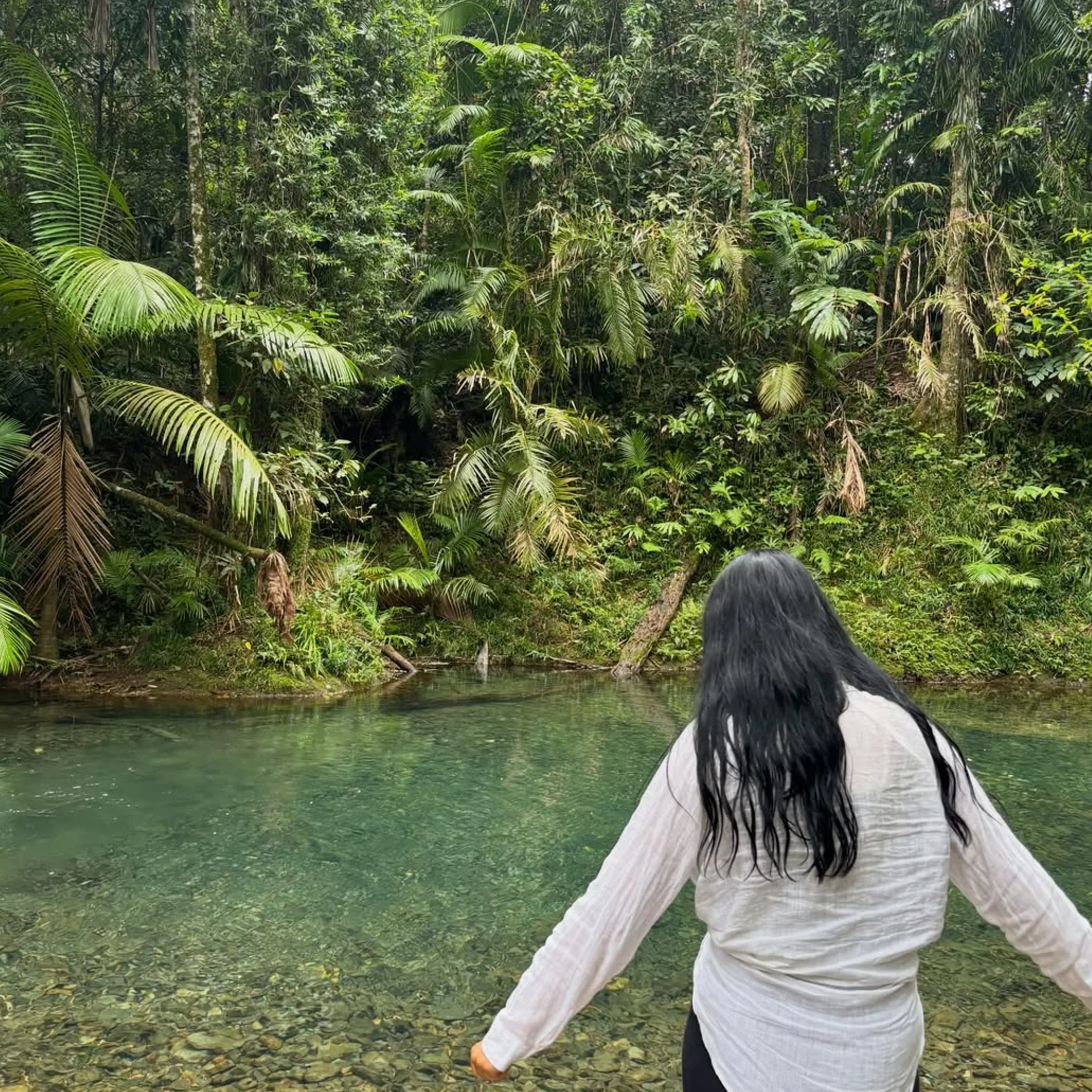
Two to four weeks prior to arrival should do it for a half-day tour of the usual sort. It is enough of a window to have your pick of departure times and meeting points without having to tie yourself down months out. For more guidance, see daintree how far in advance.
Make an earlier booking if you have children or older members in your party, or require a hotel collection for a Daintree Rainforest tour from Port Douglas. If the tour is the reason for the holiday and not something to fill a spare day, get it sorted first and plan the rest of your time accordingly.
A Practical Booking Window
| Travel situation | What to allow | Rationale |
|---|---|---|
| Flexible weekday | One to two weeks | Open to more options |
| Standard holiday | Two to four weeks | Better on group size and times |
| Dry season / school holidays | Four to eight weeks | Seats are in demand |
| Private or large group | Six to twelve weeks | Guides, vehicles and timing take more organising |
| Wet-season | One to three weeks | Programme may be at the mercy of the weather |
Do not read these as a promise of availability. They are a reasonable point of departure given the limited daily departures and the way guide schedules are run with smaller operators. And before you part with your money, check the fine print on cancellation, minimums and the like.
Dry Season Bookings
From May through October the going is good for walking and driving. That also means the north is popular and you are more likely to find the bookings full than have a quiet bush walk to yourself.
There is nothing like the school or public holidays, or a festival, to bring the crowds to the Daintree Rainforest and its surrounds in Cairns and Port Douglas. So if you have your heart set on a Kuku Yalanji guided tour for a particular Saturday, do not put it off until you are by the pool at the hotel making believe you are on top of it.
Dealing With Peak Dates
Where you can, book four weeks in advance for the May to October period. For a family or private tour, or one with multiple components like a cultural excursion to Mossman Gorge and then a longer rainforest visit, give it six to eight weeks.
Morning starts are often preferable, they are cooler for a walk and leave time for lunch and any delays on the way back. Those making the drive from Cairns would do well to factor in the road time properly; add in the Daintree Ferry and traffic and a short looking tour on paper becomes a long day.
Wet Season Advice
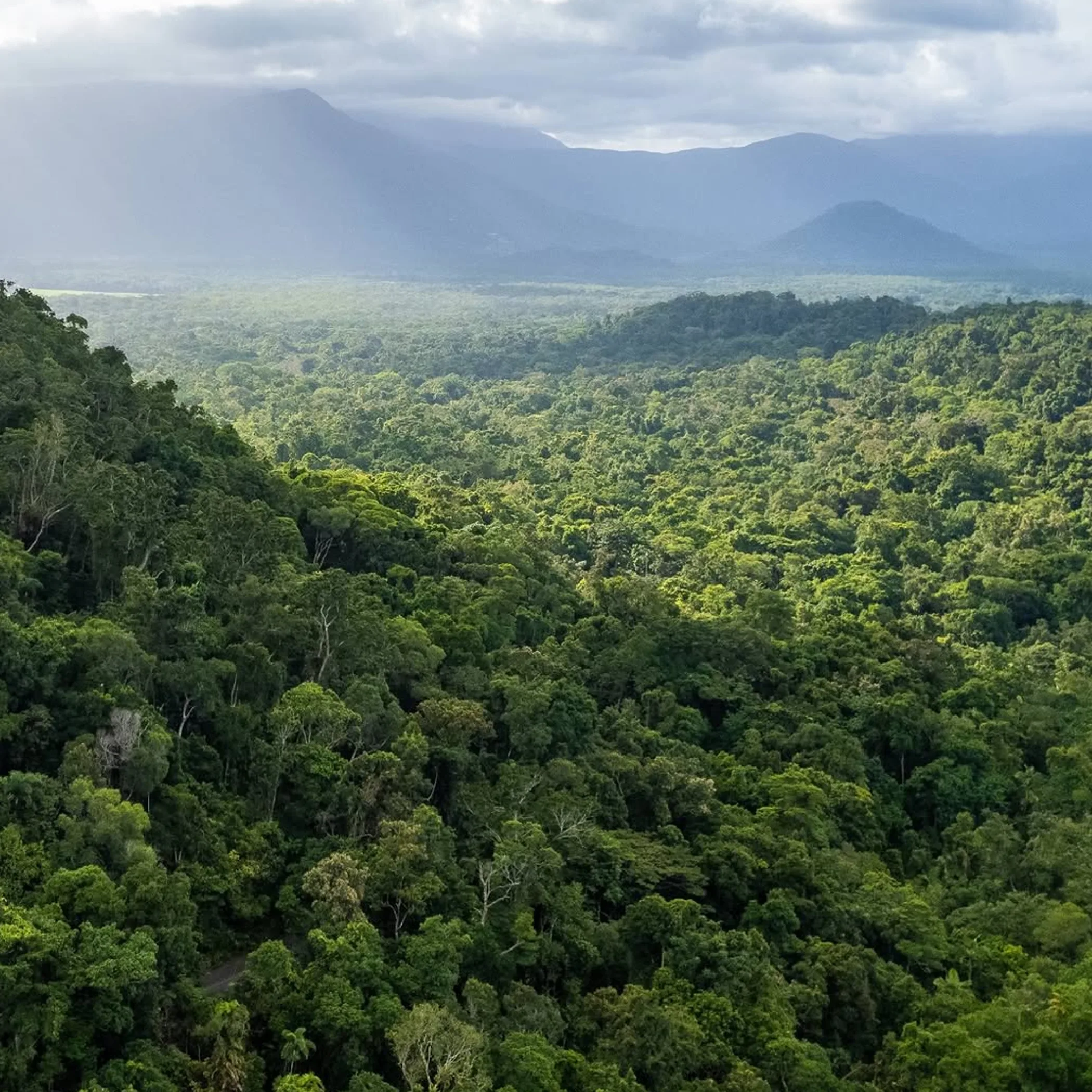
You will have the lush rainforest and dramatic creeks to yourself for the most part in the wet season but you have to be flexible about it. River levels and the state of the tracks might dissuade an operator from running a guided walk.
If your dates are open, one to three weeks notice is sufficient. Have a day or two free in your schedule; it is easier to put off a tour by 24 hours when conditions warrant it than to look for an alternative. An optimistic outlook will not keep you dry, a rain jacket will.
Expect Weather Changes
And make sure you know from the operator how they handle changes to the programme. It is the duty of a good operator to put it on the record if one is in for a transfer, a partial refund, a change of activity or a rescheduled slot. And as for the terms, make sure they are read in advance of booking; there is no point in attempting to negotiate them from a damp car park.
Prior to any travel, heed the directions of Queensland authorities and look for official alerts. For an idea of what to expect in the way of conditions, access and visitor planning, the information put out by the Queensland Parks and Wildlife Service for Daintree National Park is worth consulting.
Tour Availability: What Influences It?

The number of tourists in the area is not the only consideration. An Indigenous-led tour will often be confined to a small group so that the guide has the room to impart cultural knowledge and field questions while keeping the physical setting under control, instead of some noisy conveyor belt affair.
Then there is the matter of the guide and his vehicle, how many departures there are, the state of the roads and the season. Operators of private tours in particular may require time to put in place cultural permissions or coordinate pick-ups at various sites.
Small Details To Check
- Be clear on the meeting point, where the transfer zone is and the hours of operation.
- Inquire as to whether hotel collection, ferry or park entry are part of the price or if meals are included.
- Look into toilet access, the walking involved, any stairs, creek edges or uneven ground.
- The operator should be made aware of any medical issues, allergies, children or mobility requirements.
- Do not put down payment without having perused the cancellation and weather policies.
One does well to read the itinerary and not be taken in by a headline. A “Daintree” tour is not a guarantee of every major attraction. Some of the Indigenous offerings in the Daintree are concerned with rainforest interpretation or a guided coastal walk, others with stories and traditional plant lore; some have Mossman Gorge as their focus.
And do not mistake a cultural outing for your run-of-the-mill sightseeing. With a Kuku Yalanji guide one might find more listening and fewer hasty photo opportunities as he expounds on the ties between people, Country and the seasons. That is hardly a drawback, in most cases it is the whole point.
Some Popular Indigenous-Led Experiences
In the course of looking into Aboriginal Daintree Rainforest tours, a traveller will come across Walkabout Cultural Adventures. It is best to go direct for the latest on operating dates and inclusions since even the name and location of a tour can be subject to change.
Planning around the Mossman Gorge Cultural Centre is also advisable. The day’s conditions and the operator will dictate the format of a cultural tour there, but expect some form of guided walk and insight into Kuku Yalanji connections to Country.
How To Fit The Tour In
| Type of experience | What it is best for | A word of warning |
|---|---|---|
| Half-day | For those with other plans or short on time | Not much leeway if transport is behind schedule |
| Full-day | A more thorough day in the rainforest and culture | Fatigue, the heat and rain, long hours on the road |
| Small-group | Quieter, more conversation | Seats are limited and can go in a hurry |
| Private | Families, photographers, special requirements | You will pay more and need to book up |
| Guided walk | To observe Country at close quarters | Wet, humid, mozzies and uneven footing |
When you have but a day, let the cultural experience take precedence over ticking off the Daintree. Pick a tour with set start and finish times and be liberal with the buffer for getting back. From Port Douglas a full-day is doable with the right operator; from Cairns it will be an early start and a late night.
Private Or Small-Group?
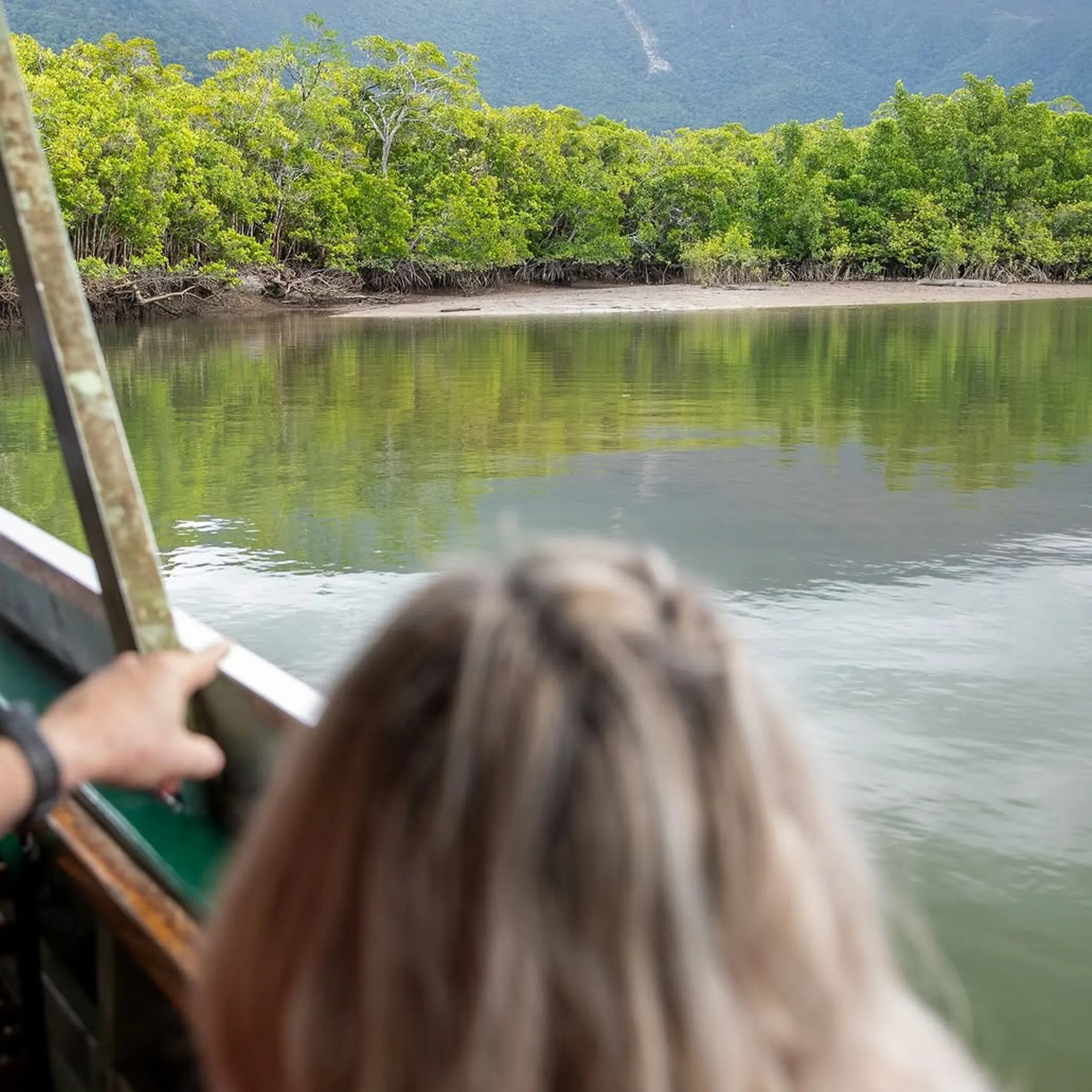
For the solo traveller or couple the small-group is the sensible option, offering a social element and a better price while still allowing for questions. Private is for when you have young children, a fixed agenda or an inclination towards photography or history. The higher cost is offset by the flexibility and spares the holiday from turning into a logistical circus.
Know Where You Stand
An Indigenous rainforest tour is not of necessity hard going but a novice would do well to ask about the terrain. There could be standing, steps, roots and slippery ground in addition to the heat and humidity. Put on some water and insect repellent and a pair of shoes with grip. The forecast is a guide but tropical weather has a mind of its own.
Those with a phobia of insects, poor mobility or who cannot abide changing plans for the sake of bad weather should give it some thought before they book. The Daintree is not to be shunned for that reason, but the operator will want to know in order to suggest something appropriate.
Make an early reservation for transport and access
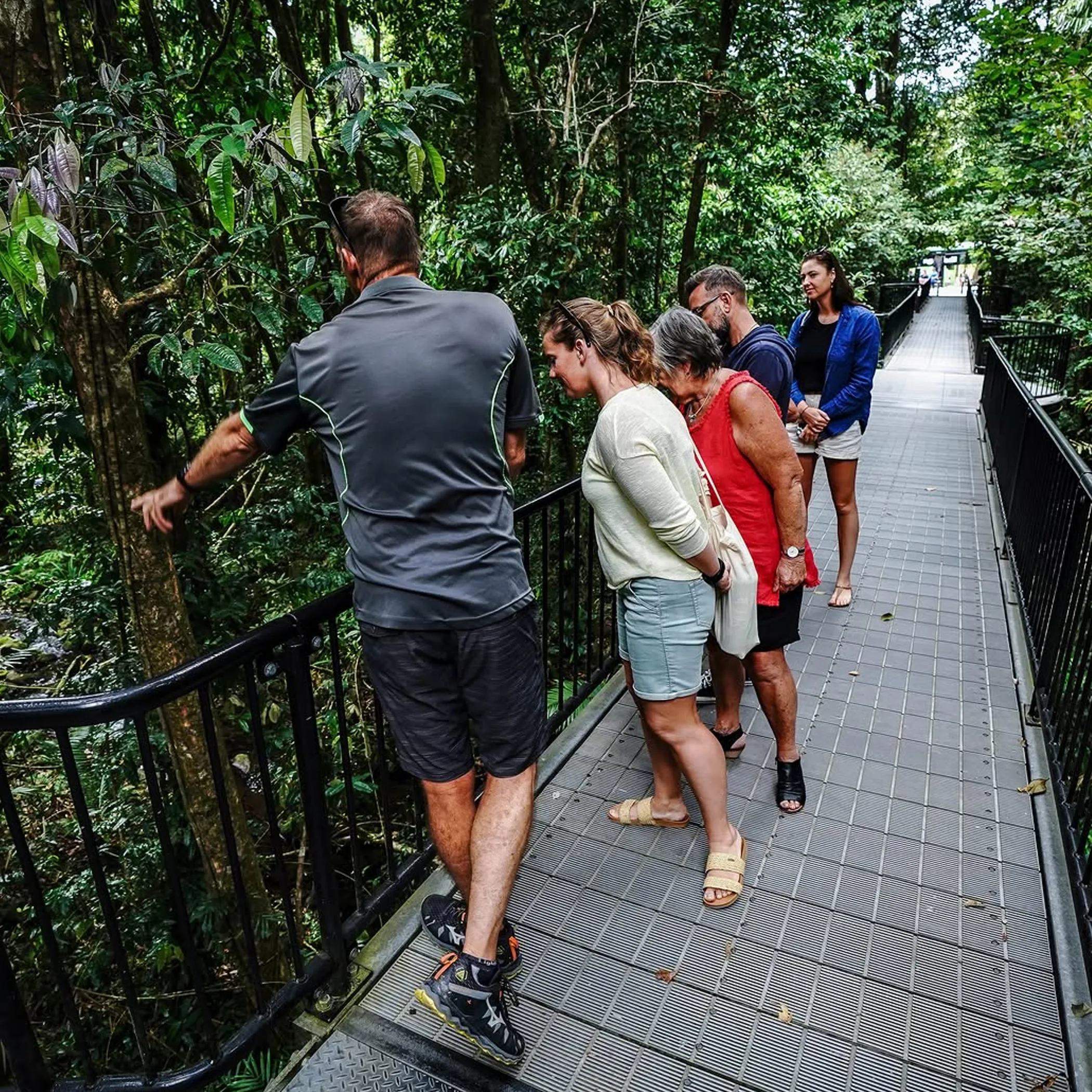
Booking a tour is but one element of the day. One will also have to put in place accommodation and transfers, arrange for a hire car and lunch, and make time to get over on the Daintree Ferry. Do not think of the ferry as a substitute for your tour booking; even with the tour in the bag, the schedule is at the mercy of how the ferry is operating.
Those making the self-drive from Port Douglas should see to their fuel, tyres and road conditions and check for phone coverage before they set off. Coming from Cairns it might be wiser to take a coach transfer than put in behind the wheel after an arduous cultural day. And if you are hiring a car, read the rental company’s fine print as to what is covered on the roads you intend to drive; remote ones are not treated alike by every insurance policy or vehicle.
Building an Itinerary You Can Rely On
- Start by putting in a booking for the Indigenous-led experience, making note of the meeting point and when it is due to end.
- Put some margin in for the Daintree Ferry, traffic, stops and hotel collection.
- Make sure any accommodation you reserve has a cancellation policy suited to the vagaries of the wet season.
- Have your food and water sorted prior to going into places where services are thin on the ground.
- The day before, go over operator instructions, weather alerts and opening hours once more.
To get a handle on costs, take the number of travellers and multiply by the tour price in AUD as advertised, then put transport, meals, fuel and so on on top. But do not expect a hard and fast figure without knowing your dates; that would be more of a guess than sound advice given the inclusions and the season. Find out if the park fees, ferry, lunch and transfers are part of the deal.
Reality and Expectation
You may anticipate an Indigenous-led tour to be a quick way through the rainforest. In fact the worth of it is often in the slower side of things: to be shown what not to touch, or to understand why a certain plant is of consequence, or how Country is read.
The dry season is supposed to be perfect, yet between May and October there is still heat to contend with and fully booked departures. Or take the wet season: the Daintree is far from off limits, some tours will be on and others will be put on hold for safety’s sake.
I learned my lesson on a first rainforest outing when I did not give enough credit to the time transfers and waiting can take. There was room for lunch but not for a leisurely road or a queue for the ferry, or simply to stop and have a proper look. Now I do not regard a cultural tour as something to fill in time.
Frequently Asked Questions
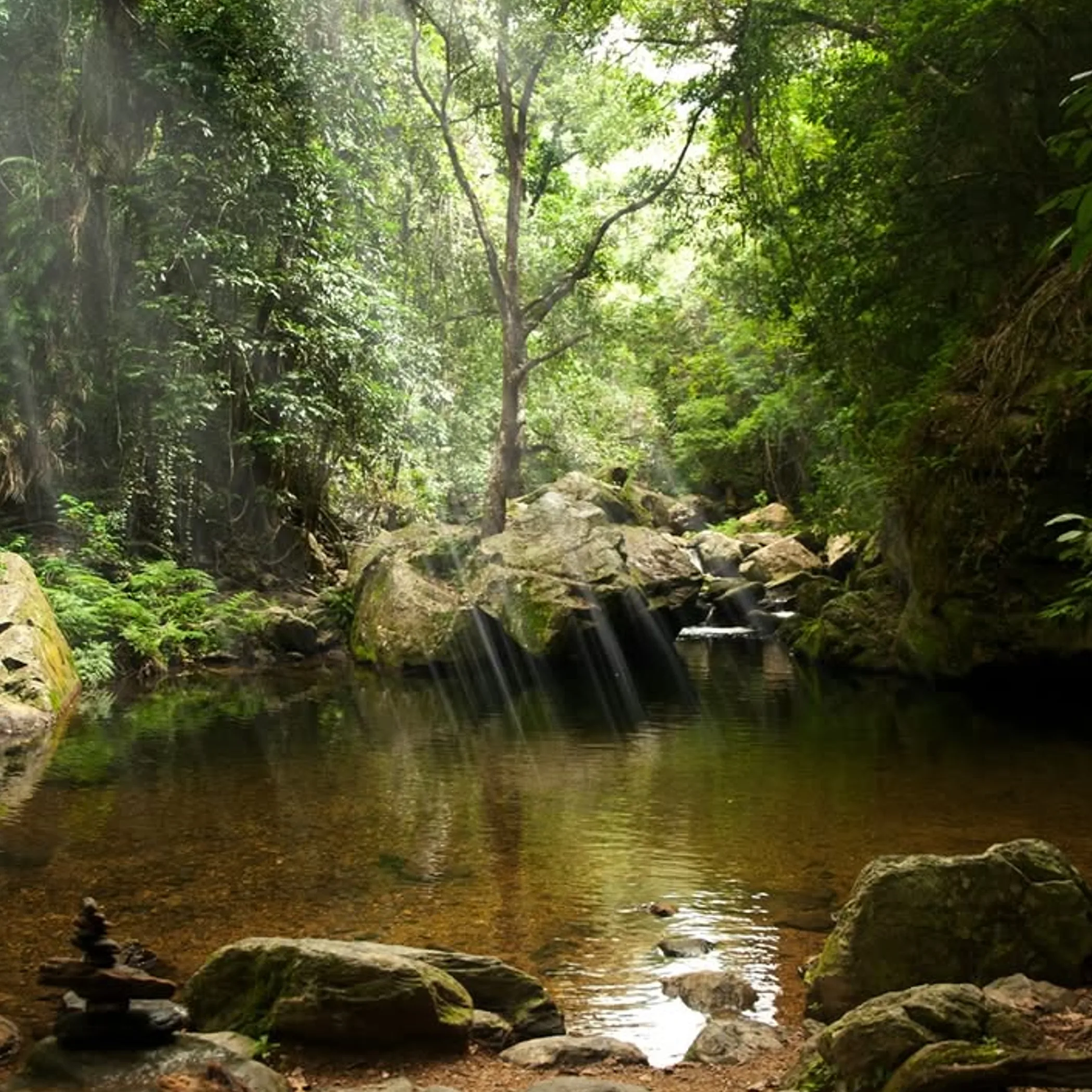
After a search for a Daintree tour one comes across these. The practical thing is to consult the operator and check on access and weather before you go.
Do I have to prebook the Daintree Ferry?
As a rule, people plan their day around the Daintree Ferry instead of booking it like a tour. Factor in delays and queues and have the latest operating details to hand. Your tour operator will be able to advise on the best course of action with regards to its vehicle and meeting arrangements.
What would be the best Daintree Rainforest Tour?
It is a matter of what suits your time, fitness and inclination to learn about the culture. For most a small-group affair with a Kuku Yalanji guide is more rewarding than a hurried attempt to tick off all the attractions.
When is the best month to be in the Daintree?
There is no single answer. The dry season from May to October is more predictable, but the wetter months have their own atmosphere and fewer other visitors.
Time at the Daintree Discovery Centre?
If you are not in a hurry, allow a few hours and build your tour and travel times around that. It will depend on what walks and viewing are on offer. Unless you have a good buffer, do not put it right up against a cultural tour with a set time.
How far ahead to book?
Two to four weeks is normal, four to eight in the dry season or at peak times. A private tour or a large group calls for six to twelve weeks’ notice. With flexible dates you might book for the wet season nearer the time, though the weather has a way of changing plans.
Make it work for you
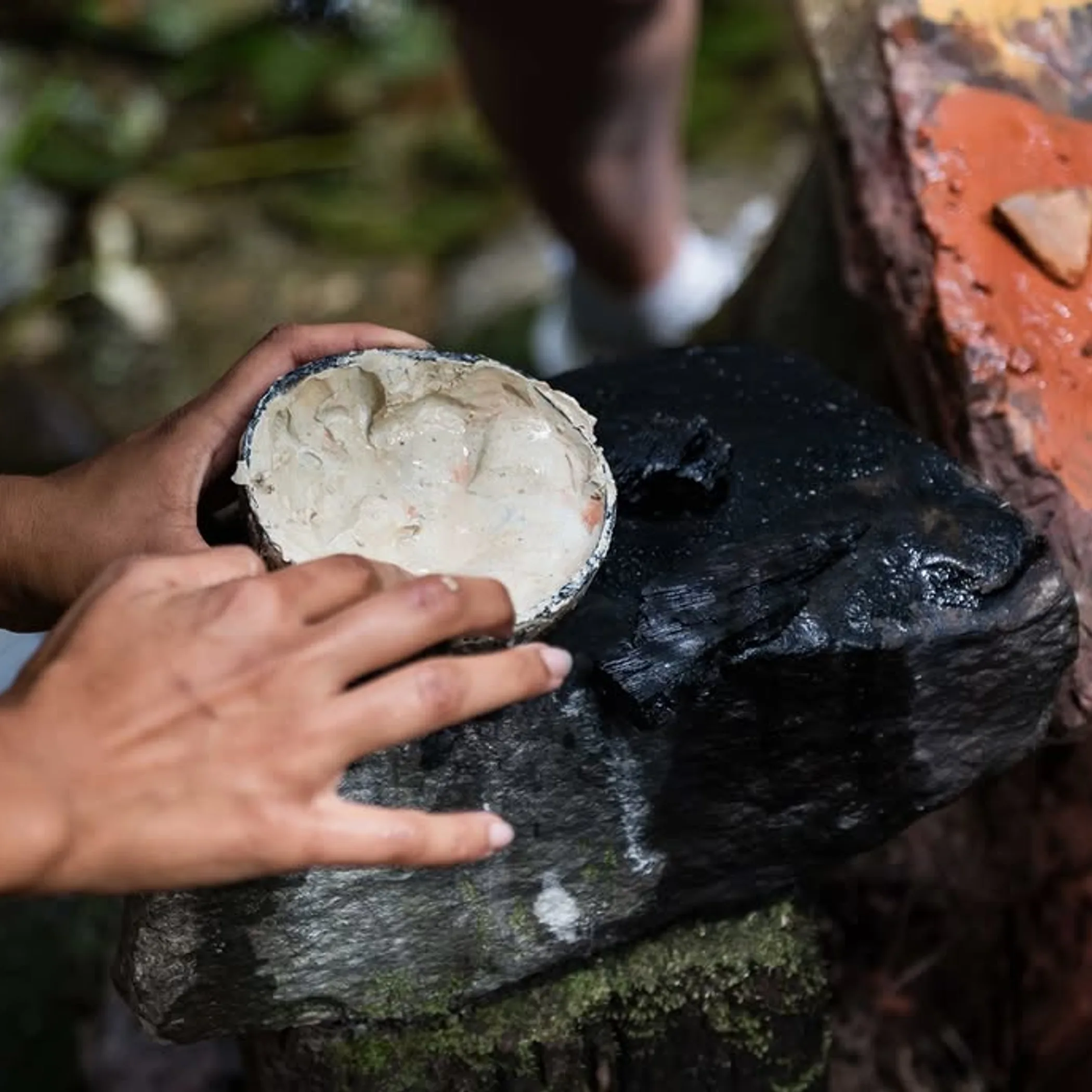
Book the cultural experience early and be realistic about your travel day, allowing for the tropics. Let daintree how far in advance be a question of planning rather than some magic figure; your circumstances will tell you the sensible window.
An Indigenous-led tour is for listening and learning, not to add to the photo album. Be croc-wise around the waterways, pack for the elements and confirm everything. Give the day some space. The Daintree is patient and it does not care for your spreadsheet.
